Sleep is probably one of the most overlooked, but most powerful things within our control that we can use to boost success.
Top CEOs, successful athletes and wealthy people from around the world protect their sleep.
Sleep is capital.
Sleep upgrades decision quality, boosts output per hour, and prevents burnout—translating into fewer costly errors and more upside.
Treat sleep like an asset class: allocate 7–9 hours, and let financial capital and human capital compound together.
This article was written by a Financial Horse Contributor.
1) Better sleep → better decisions (your biggest P&L driver)
Tired competitors trade decision quality for a few late-night hours.
One avoided mistake can pay for a year of “lost” hours—skip a sloppy hire, spot a covenant that saves 1% equity, or pass on a mispriced deal.
Protect ~8 hours and schedule “high-IQ meetings” in your freshest window (e.g., 9–11 a.m.).
Treat sleep as upstream quality control on all downstream cash flows.
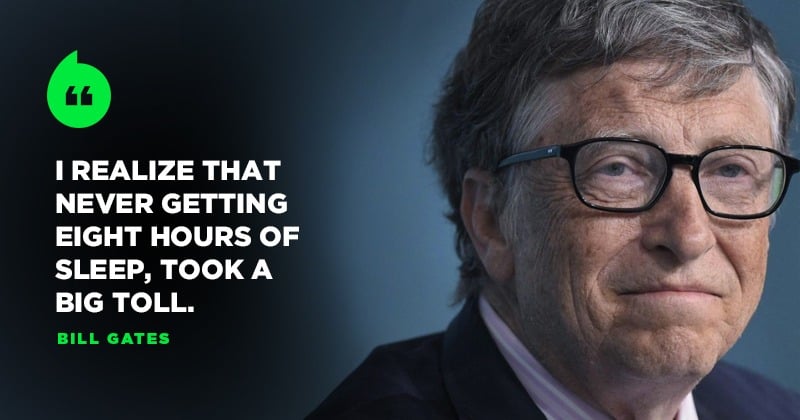
Bill Gates — from all-nighters to 7–8 hours
Early Microsoft-era Gates treated sleep as “lazy” and even competed to get by on 5–6 hours.
After reading Matthew Walker’s Why We Sleep, he reversed course: “you almost certainly need 7–8 hours,” and he now tracks his sleep for brain health.
In his own words, chronic short sleep “took a big toll” on creativity and problem-solving.
Takeaway: Protect sleep because it compounds into decision quality.
2) Productivity
The marginal hour after 11 p.m. often has negative ROI—slower thinking, sloppy emails, mistakes that will cost you big.
Caffeine curfew (~2 p.m.), screens down 60 minutes pre-bed, morning deep-work block, and push admin to your low-energy slots.
The result is fewer mistakes, tighter execution, more persuasive meetings.
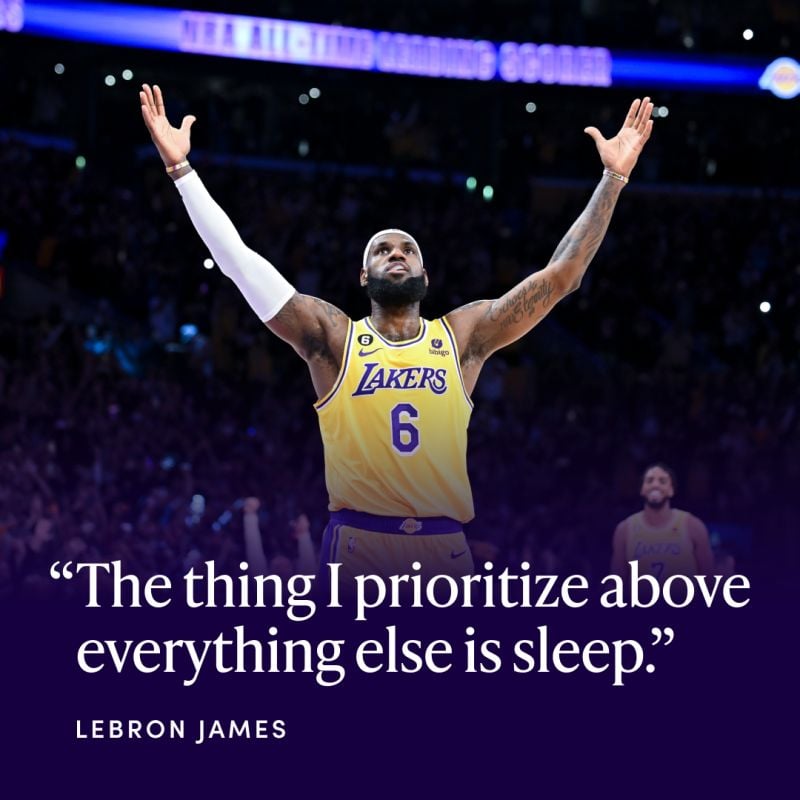
LeBron James — recovery as a moat
LeBron routinely targets 8–10+ hours (often with a nap) and optimizes the room (cool, dark, quiet) to turn sleep into athletic alpha: faster recovery, fewer soft-tissue issues, and more consistent performance.
“More and more we’re realizing that right sleep affects your performance,” Ference says. “You play 100-plus games with all that travel, and it really adds up. By the time the playoffs come around, you can really tell who took care of themselves and who didn’t.”
Takeaway: For knowledge workers, “recovery” = cognitive readiness.
Borrow the pro-athlete mindset: defend sleep like training—because tomorrow’s output pays today’s sleep dividend.
3) Markets “see” sleep debt
Studies (e.g., DST Mondays) show slightly weaker equity returns when the population is underslept.
Why? Lower attention/risk tolerance → poorer news processing and judgment drift.
What to do about it?
Avoid high-stakes trades/decisions on known sleep-loss days; if you must act, pre-commit (limits, sizing caps, written plans).
Scheduling edge: push complex reviews to your team’s freshest window (late morning), and give 24–48h buffer after population-wide late nights.
4) Burnout is bad business
Burnout is expensive: absenteeism, rework, slower recovery from basic setbacks.
Put sleep first to avoid shit hitting the fan.
Think of this as downside protection—like cheap insurance that also improves expected return.
Arianna Huffington — the wake-up call
In 2007, Arianna Huffington collapsed from exhaustion, broke her cheekbone, and rebuilt her life and companies around sleep.
She went on to found Thrive Global and recommends a practical playbook (no screens before bed, cool/dark rooms, caffeine curfew ~2 p.m.).
“That day changed my life”— shows the cost of ignoring sleep shows up as injuries, errors, and attrition.
Takeaway: Leader sets the norm. Make sure everyone respects rest time (meeting times, after-hours boundaries) to reduce costly burnout.

5) Elite performers don’t “hack” sleep—they protect it
Profit while you sleep.
- Financial capital compounding
Dividends, coupons, market beta don’t need your screen time. Automate DCA and let assets work while you sleep. - Human capital compounding
Memory consolidates, stress hormones normalise, and tomorrow’s brain arrives sharper. That’s the cognition dividend most portfolios ignore.
The combo is multiplicative: capital compounding × cognitive compounding.
6) Creativity & negotiation: the hidden revenue lever
Sleep doesn’t just prevent errors—it creates upside.
People are far more likely to spot hidden rules (“aha” insights) after sleep as the brain restructures memories and surfaces patterns.
That’s why protecting your freshest window for strategy meetings pays.
Negotiations when underslept? Expect blunted empathy, higher threat perception, and tighter pie-splitting.
Don’t bargain tired. A small creative give-get on a S$5m deal can add ~2% (S$100k)—often the entire “return on sleep.”
Elon Musk — stress-tested the limit
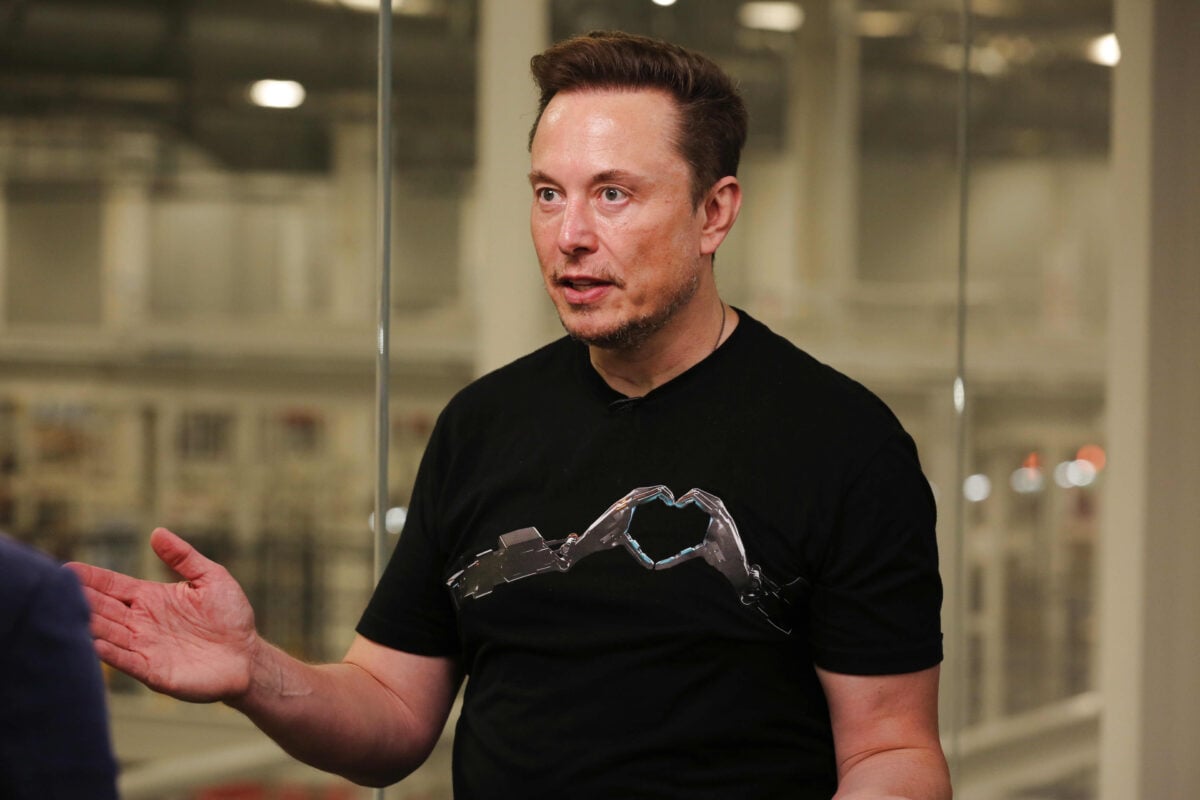
Asked how much he sleeps, Musk said “about six hours” and added: “I tried sleeping less, but then total productivity decreases.”
The Tesla, SpaceX and Twitter CEO, who has a history of pulling all nighters and sleeping under his desk to get work done. Now, he makes an effort to sleep at least six hours per night, he said in an interview with CNBC’s David Faber.
“I’ve tried [to sleep] less, but … even though I’m awake more hours, I get less done,” Musk said. “And the brain pain level is bad if I get less than six hours [of sleep per night].”
Coming from someone known for 100-hour weeks and public missteps during sleep-starved periods, us mere mortals should take heed.
Takeaway: Even extreme operators hit a cognitive floor. If sub-6 hours degrades output, schedule “high-IQ” work only when you’ve slept.
Bottom line
Sleep is not time “lost.”
It’s capital allocation to the asset that prices every other asset you own—your brain.
Compound decision quality and fewer errors into cash flow.