In today’s Singapore you’re looking at around S$7.1 million in net worth or about S$696,000 in annual income to be in the top 1%.
Most of that group are business owners, property families and senior finance/tech professionals, plus a fast-growing cluster of foreign wealth setting up family offices here.
Behind the stereotypes are some surprisingly consistent patterns: long hours, concentrated bets on a business or sector, and a very deliberate way of managing risk, tax and family.
This post was written by a Financial Horse Contributor.
1. Who exactly are the “top 1%” in Singapore?
Let’s pin down the numbers first.
By wealth (net worth)
According to Knight Frank’s Wealth Report 2024, you needed about US$5.23m (≈ S$7.06m) of net assets in Q4 2023 to be in Singapore’s top 1% by wealth.
That’s across all ages – everything you own (property, portfolios, business equity) minus debt.
Compare that with the median net worth per adult of around S$134,000.
Quick ratio: S$7.06m ÷ S$134k ≈ 52–53× the median Singaporean’s net worth.
So the 1% threshold is roughly 50+ times “normal”.
By income (annual earnings)
Using IRAS-based estimates compiled by local analysts:
- Top 10% of earners: ~S$191,000 a year.
- Top 1% of earners: ~S$696,000 a year.
That’s about S$58,000 a month before bonus.
The broader wealth landscape
Credit Suisse / UBS and others put Singapore at:
- Mean net worth per adult ≈ S$500k+,
- Median ≈ S$130k+,
- About 330,000 Singapore adults with >US$1m (HNW) and roughly 1,700+ ultra-HNW (>US$50m).
So “1%” isn’t only Crazy Rich Asians – it’s a long tail of millionaires plus a much thinner slice of deca-millionaires and billionaires.
2. What do they actually do?
At the billionaire level, the pattern is clear:
- Property & construction – Kwek Leng Beng & family (Hong Leong / CDL), the Ng family (Far East Organization), Kishin RK (RB Capital).
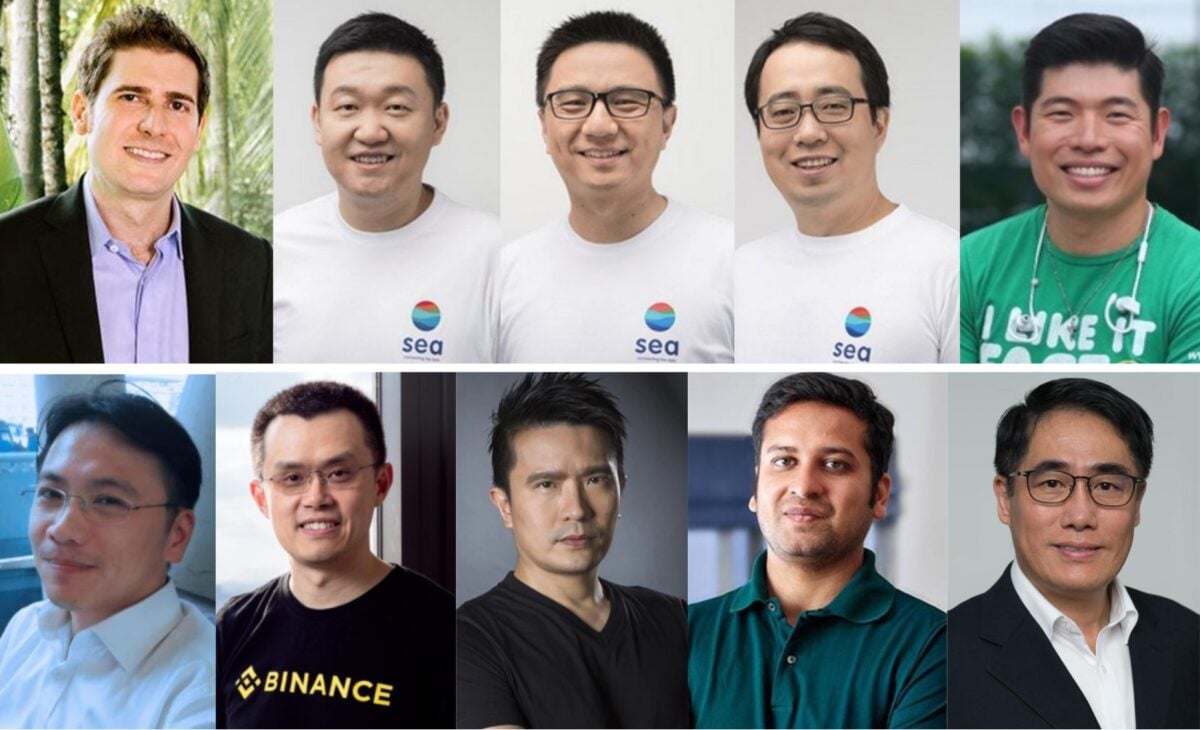
- Tech & platforms – Eduardo Saverin (Facebook co-founder), Forrest Li (Sea / Shopee).
- Industrial / med-tech / manufacturing – Goh Cheng Liang (Nippon Paint), Li Xiting (Mindray).
Zooming down into the “ordinary” top 1%:
A. Business owners and family enterprises
A large chunk are:
- Owners of SMEs and mid-sized private companies (logistics, engineering, F&B chains, healthcare, trading houses), and
- 2nd–3rd generation heirs professionalising family firms and setting up family offices.
Family offices here have exploded in Singapore. MAS note that single-family offices in Singapore have grown from <100 a decade ago to roughly 1,100 by 2023, and press reports put the figure around 2,000 by 2024, managing hundreds of billions in assets.
B. High-end finance, tech and professional roles
Comp and hiring data consistently show the top salaries in:
- Front-office finance – investment banking, PE, hedge funds, commodities trading, private banking.
- Tech leadership – CTOs, heads of engineering, senior product roles in big tech / fast-growth firms.
- C-suite / regional heads – MNCs running APAC out of Singapore.
- Specialist professionals – top surgeons, Big 4 / law firm partners, niche consultants.
Individually, some clear the S$696k+ income mark; many more sit in the top 5–10% by income but join the top 1% by wealth through options, profit share and property.
C. Property heavy, often by design
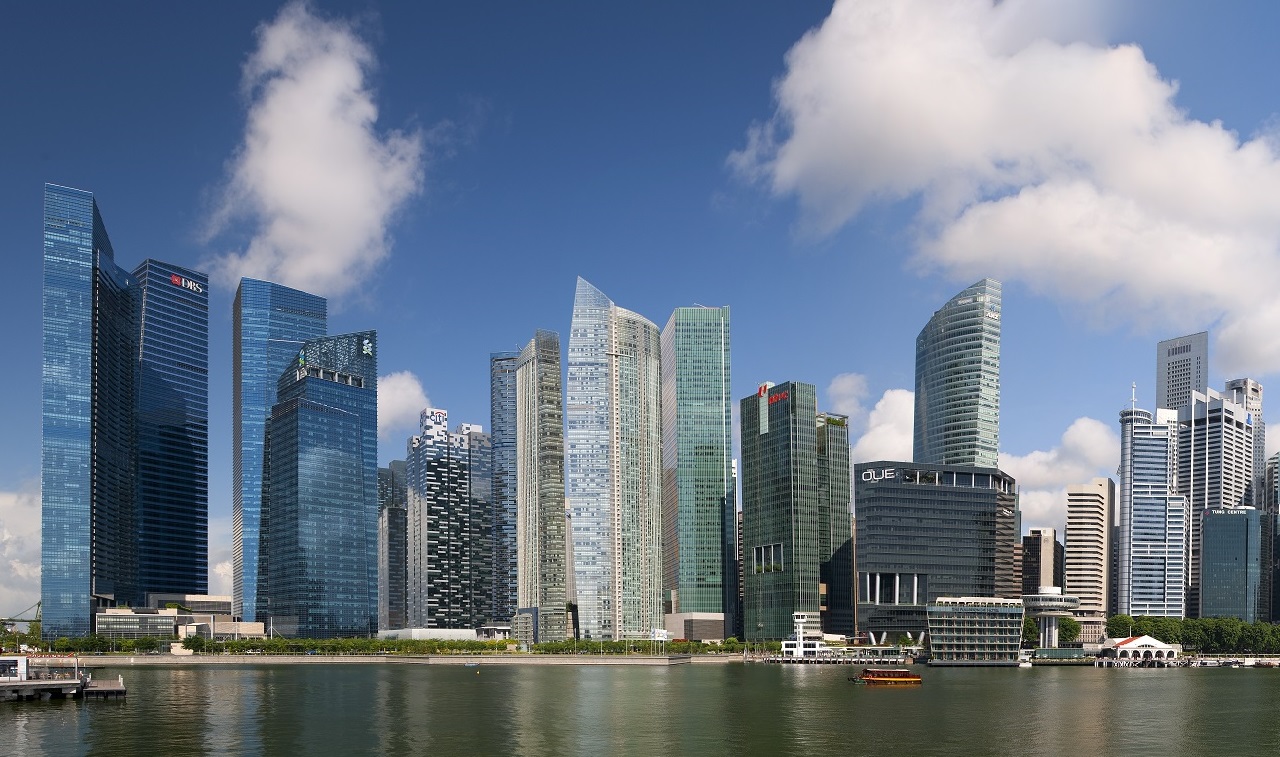
Given land scarcity and a strong long-term property market, a major component of 1% wealth is real estate:
- Multiple condos or landed homes,
- Sometimes shophouses or commercial blocks,
- Often layered through companies or trusts.
We’ve seen over 1,000 HDB resale flats crossing S$1m a year, and a very high share of households with at least one private property.
For many local 1%ers, the story is:
“I built a decent business / career, bought property early, leveraged sensibly, and 20–30 years later the numbers snowballed.”
3. How they use money differently
Across banker interviews, MAS speeches and wealth reports, a few patterns keep repeating.
They professionalise wealth early
Past a certain threshold (say S$10–20m), many:
- Set up a single family office or join a multi-family office / private bank platform,
- Formalise an investment policy, risk limits and governance,
- Bring on professionals – CIOs, tax counsel, legal, philanthropy advisors.
A private banker would say: “For a S$50m client, the key question isn’t ‘what stock to buy’, it’s ‘what’s the family’s mission, and how should the capital be structured around that?’”
Wealth first, stock-picking second.
One engine, then diversification
Typical pattern:
- One core engine they’re happy to be concentrated in:
- A business they control
- A sector they deeply understand
- A focused property book
- Around that, a diversified outside portfolio – global equities, bonds, alternatives
They’re both risk-seeking and risk-managed: concentrated where they have an edge, diversified where they don’t.
Personally low-key, financially aggressive
Public examples like Warren Buffett’s modest lifestyle have local echoes:
- Normal cars, normal clothes – but eight-figure balance sheets.
- No interest in visible bling; enormous interest in tax, structures, and return on capital.
The flex is not the watch, it’s the spreadsheet.
BTW – we share commentary on Singapore Investments every week, so do join our Telegram Channel (or Telegram Group), Facebook and Instagram to stay up to date!
Financial Horse also share great tips on Twitter.
Don’t forget to sign up for our free weekly newsletter too!
4. The real life 0.1%
The top 1% here don’t all live Crazy Rich Asians lives.
Many are property guys, tech founders, paint and logistics tycoons who built one engine very, very hard – and then got deliberate about how they used the money.
Kishin RK – buying a first flat at 12, then building his own empire
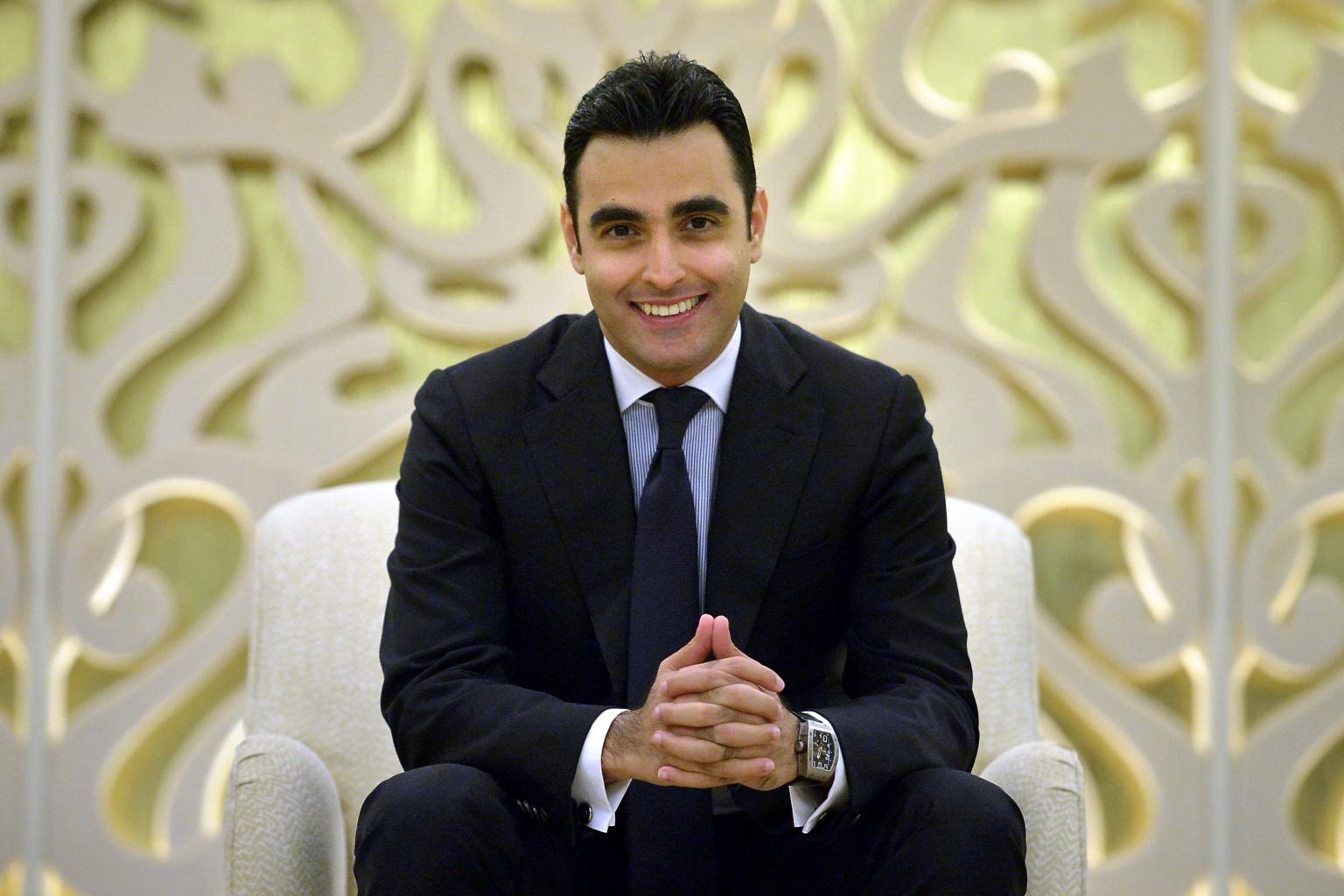
Kishin RK is often described as Singapore’s youngest billionaire, with an estimated US$1.6b personal net worth and a family property empire worth around US$10b.
His upbringing mixed privilege with deliberate exposure:
- At 12, his father walked him through buying his first apartment, using it as a personal masterclass in real estate.
- As a teenager, he tagged along to his dad’s deal meetings, listening in on negotiations and financing discussions.
- At 18, he sold an apartment his parents had given him and used the proceeds to found RB Capital, his own real estate firm, instead of just taking a role in the family conglomerate.
In one interview, he put it simply:
“I realised that my interest was actually real estate. There was no need to do anything else.”
Forrest Li – no salary, cost-cutting, and decade-scale thinking
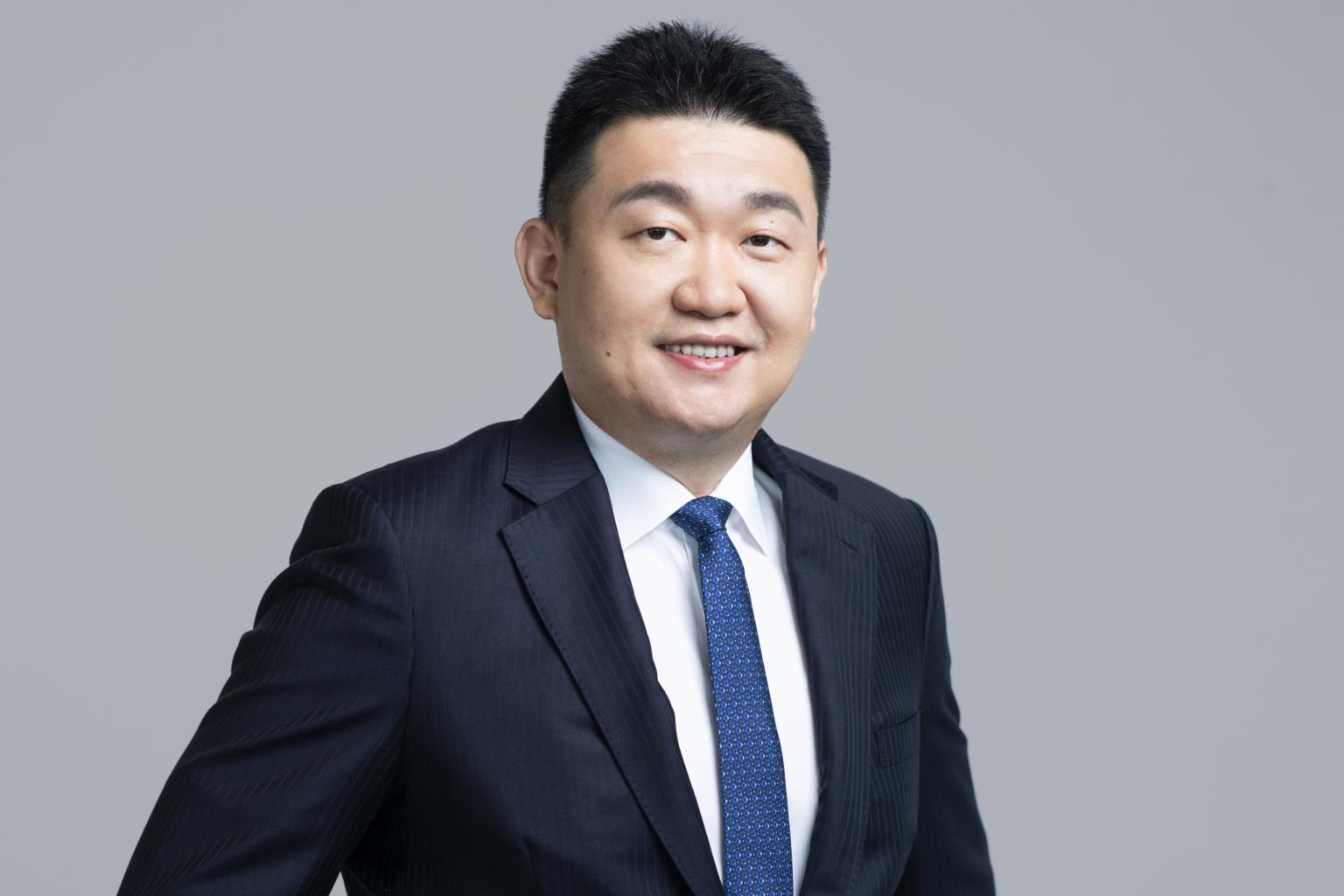
Forrest Li, founder of Sea Group (Garena, Shopee, SeaMoney), has seen his net worth swing tens of billions as Sea’s stock price soared, crashed, then recovered.
His handling of the 2022–2023 crisis shows how the very rich think about capital:
- When Sea’s share price collapsed and losses widened, Li and his top executives gave up their salaries, pledging to take no cash comp until the company became self-funding.
- The company imposed strict travel and expense policies – economy flights, hotel caps around US$150/night, meal caps around US$30/day, even trimming snacks and perks.
In an internal memo, Li wrote:
“The only way for us to free ourselves from relying on external capital is to become self-sufficient.”
By 2024–2025, Sea had swung back to profitability and he was openly talking about a long-term path toward a US$1 trillion market cap, emphasising disciplined execution over hype.
Kwek Leng Beng – “work hard, talk less, do more”
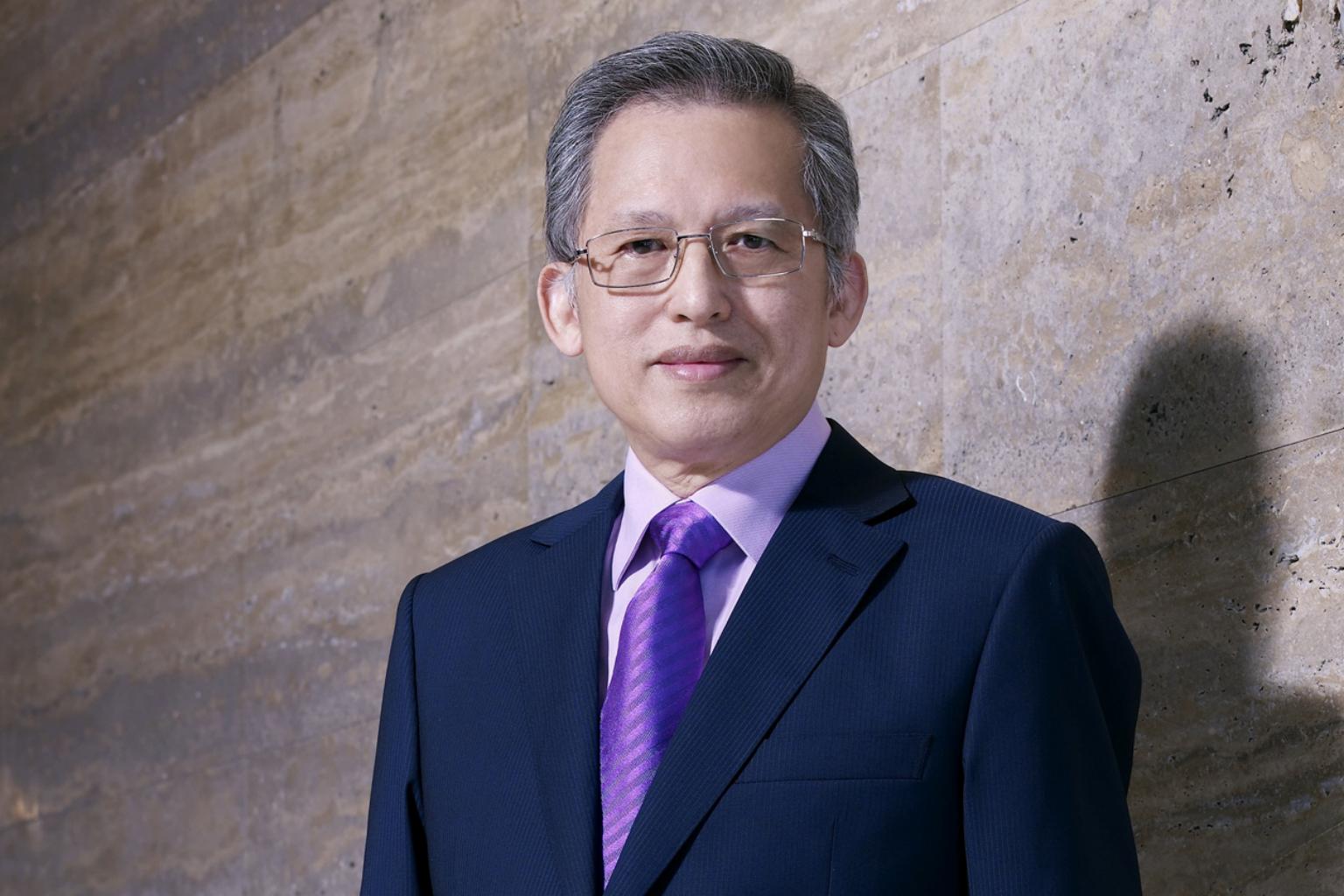
Kwek Leng Beng, executive chairman of Hong Leong Group and City Developments (CDL), presides over a family fortune estimated at US$11–12b, built largely on real estate.
His personal philosophy is blunt. In his authorised biography, he sums it up as:
“Work hard, talk less, do more.”
On investing, he has said he would happily put 50% of his wealth into property, arguing that real estate has created many Singaporean millionaires and “never goes down to zero, unlike stocks and shares.”
Over decades he helped turn CDL from a struggling builder into a global developer and hotel owner with assets in ~30 countries.
Goh Cheng Liang – from a $3 room to a global paint and property fortune
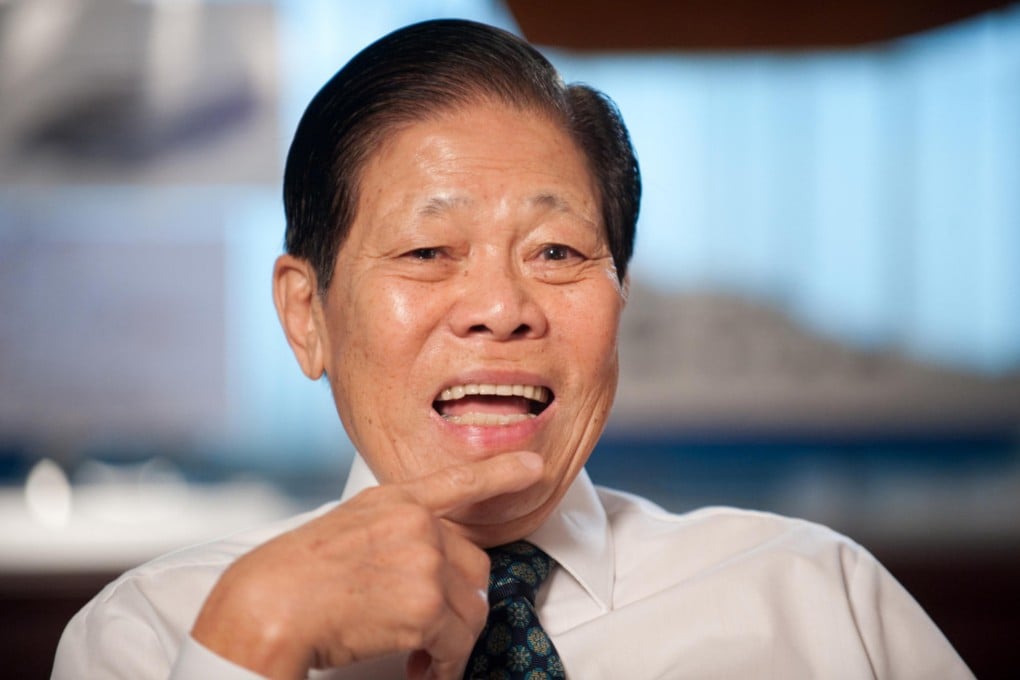
Goh Cheng Liang is the self-made legend: from a rented room to one of Asia’s richest men.
- As a child he lived with his parents and four siblings in a tiny S$3-a-month rented room off River Valley.
- In a rare 1997 interview, he recalled: “My parents were very poor, my father was jobless,” while his mother washed clothes and his sister sold soon kway to survive.
- He never really went to school; instead he travelled to Denmark to learn paint manufacturing and taught himself chemistry “with a Chinese dictionary”.
After the war, he started as a paint reseller, then set up his own factory.
In 1962, he struck a deal that eventually made his holding company the largest shareholder in Nippon Paint, now a global paint giant.
Today, his net worth is estimated around US$13b, with major positions in paint and property, plus substantial philanthropy.
5. What we can learn from the top 1%
You can’t replicate “start Shopee” or “inherit a property empire”, but you can learn some valuable lessons:
Ownership > Income
Business equity, property, broad equity markets – anything where you own a slice of the engine, not just a payslip.
Have one core edge, diversify the rest
Concentrate where you genuinely understand the game; diversify where you don’t.
Professionalise earlier than feels necessary
Even at mid six-figure net worth, have a simple investment policy, target allocation and basic rules for risk.
Keep lifestyle low-drama, make the balance sheet the high-drama part
Let compounding, not consumption, be where the excitement is.
Think in decades
The S$7m wealth or S$696k income didn’t appear in one lucky year, they’re the by-product of 10–30 years of concentrated effort, reasonably good decisions and time.