Most investors don’t lose money from one big, dramatic mistake.
They bleed out from a few “small” mistakes that can compound into tragedy.
Here are three of the deadliest ones, and how to avoid them.

This article was written by a Financial Horse Contributor.
1. Overtrading: prioritizing quantity > quality
Funny thing about markets: they reward decisiveness in the short run, but they reward patience in the long run.
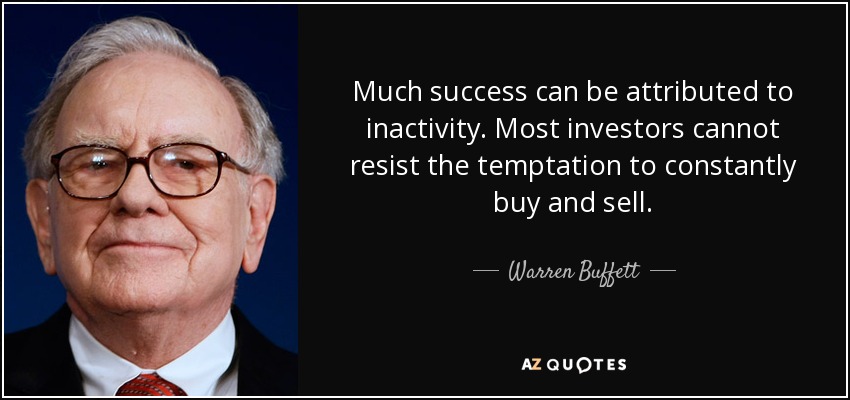
Warren Buffett said: “Inactivity strikes us as intelligent behavior.”
Action is the default setting of most investors.
Alerts. Breaking news. Hot takes. A constant itch to “do something” so you feel like you’re managing risk.
Buffett’s edge wasn’t that he predicted more headlines correctly. It was that he refused to let headlines control his moves.
Buffett, American Express, and the “shoe-leather” test
In the early 1960s, American Express got dragged into a scandal tied to commodity fraud (the famous “salad oil” episode).
The stock sold off hard. The easy move—especially for professionals who feared looking wrong—was to step away.
Buffett didn’t start by asking, “How scary is the news?” He asked a better question: “Did the core business break?”
One account of his process describes him doing the unglamorous work: checking whether customers were still using AmEx—down to surveying restaurants to see if card usage had actually changed.
That detail matters. It shows the mindset shift:
- Most investors react to narrative: “Scandal = permanently damaged.”
- Great investors test reality: “Is customer behavior changing, or just sentiment?”
Once he believed the brand and customer habit were intact, the rest was almost boring: buy at a depressed price, then wait.
That’s the part most people miss. The “hard work” often isn’t buying.
It’s not selling the first time the chart looks ugly, or the first time a commentator calls you foolish.
Buffett’s broader point shows up again in his 2008 letter, where he frames downturns like a storewide sale: “Price is what you pay; value is what you get.” SEC
If you truly believe that, then volatility stops being an emergency and starts being information—sometimes even an invitation.
Overtrading creates a triple tax:
- direct costs (spreads, fees, slippage)
- bad timing (you sell after fear, buy after excitement)
- opportunity cost (you interrupt compounding with churn)
The quiet fix:
Before any trade, write one sentence: “What changed in the business (not the price) that forces me to act?”
If you can’t answer cleanly, you’re probably scratching an itch, not making a decision.
2. Believing “this time is different”
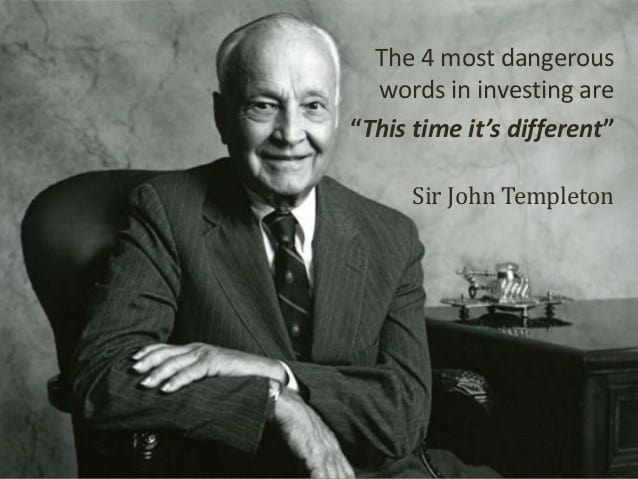
This famous quote has survived generations: “The four most dangerous words in investing are ‘this time it’s different.’”
Howard Marks highlighted this line in his memo This Time It’s Different, pointing out how those words show up right when investors are trying to justify emotion-driven decisions.
“This time is different” isn’t always wrong. Sometimes technology does change. Sometimes business models do shift.
The danger is subtler:
The phrase often becomes a permission slip to ignore price.
When people get excited, they don’t stop valuing things. They just switch to a valuation story:
- “It’s a platform.”
- “Margins will come later.”
- “Growth is infinite.”
- “Everyone owns it, so it’s safe.”
Buffett and The Washington Post bargain
In 1973—during a grim market—Buffett bought shares of The Washington Post at what he later described as a “truly ridiculous” price relative to business reality. Berkshire Hathaway
Buffett later wrote that he bought his Post stake in 1973 at $5.63 per share, and pointed to how the business’s earnings power made that purchase look absurdly cheap in hindsight.
Another often-cited Buffett passage on the Post frames the core idea even more bluntly: the market value was visible to everyone, but few people were willing to act because the mood was awful.
That’s the opposite of “this time is different.”
- The crowd said: “The world is messy, the future is scary, be cautious.”
- Buffett said: “Messy mood is exactly why the price is irrational.”
Here’s the deeper lesson: valuation discipline isn’t about pessimism. It’s about refusing to confuse a popular story with a good deal.
And it works both ways:
- In bubbles, valuation discipline keeps you from paying any price.
- In panics, valuation discipline gives you the courage to buy when the story feels worst.
Buffett pairs the “price vs value” idea with a simple shopping analogy—he likes buying quality when it’s marked down.
The quiet fix:
Whenever you feel yourself thinking “I have to own this,” force a second sentence:
“What would have to go wrong for this to be a bad investment at today’s price?”
If you can’t imagine failure, you’re not analyzing—you’re worshipping.
Never miss a post! Follow Financial Horse by subscribing or following us on your favorite platform:
Subscribe to our mailing list for exclusive content straight to your inbox:
3. Using debt (leverage) recklessly
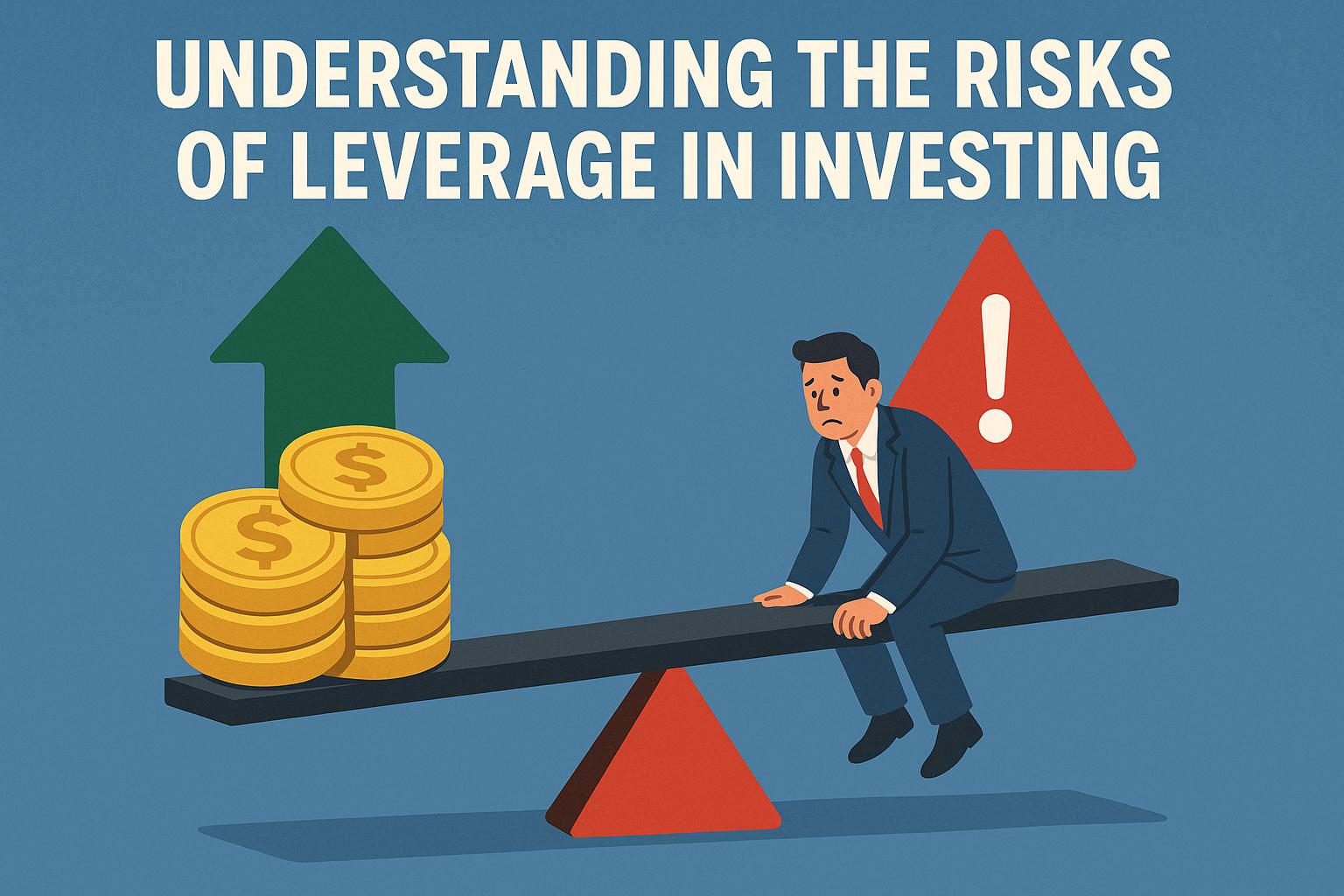
Leverage feels like a cheat code… until the market reminds you it’s a trapdoor.
Buffett’s “tide” line is famous because it’s visual and cruelly accurate:
“It’s only when the tide goes out that you learn who’s been swimming naked.” Berkshire Hathaway
What’s the tide in investing?
Easy money. Rising prices. Friendly refinancing. Quiet volatility.
When that tide goes out, two kinds of investors get exposed:
- people who didn’t understand what they owned, and
- people who can’t survive a drawdown because they borrowed.
Buffett was unusually direct about this in his 2017 letter.
After listing four major Berkshire share price declines (including drops around ~50%+), he wrote:
“[The] strongest argument… against ever using borrowed money to own stocks.”
That’s not theoretical. It’s a warning from someone whose own company—widely viewed as “conservative”—still experienced stomach-turning drops.
That’s why Buffett says big declines create “extraordinary opportunities” for people not handicapped by debt.
Opportunity is often the same event as disaster—the difference is whether you’re forced to act.
Debt turns time (your greatest ally) into a liability. It replaces “I can wait” with “I must sell.”
The quiet fix:
If you want one rule that prevents most blowups: don’t structure your portfolio so you must sell.
No margin, no forced liquidity needs, no fragile promises.
Closing thoughts
If you only steal three habits from investing legends:
- Default to doing nothing unless the business reality changed. Buffett’s “inactivity” point.
- Refuse to use “this time is different” as a valuation excuse. Marks/Templeton’s warning.
- Avoid debt that can force you out. Buffett’s leverage warning.