Overspending usually isn’t one huge mistake.
It’s small, frequent spending that quietly grows until it destroys your financial goals.

This article was written by a Financial Horse Contributor.
The 30-minute “Where did my money go?” test
Look at the last 30 days of spending (bank + card statements).
Sort every transaction into 4 buckets:
- Essentials: rent, bills, groceries, transport
- Committed: phone plan, insurance, subscriptions you actually use
- Lifestyle: dining out, shopping, delivery, entertainment, “treats”
- Future-you: savings/investing, debt repayment beyond minimums, planned buffers
Ask yourself:
- Did future-you get paid first? (Was savings automatic, or only “if there’s leftover”?)
- Did lifestyle spending quietly expand? (Do you feel surprised by the total?)
If “future-you” is near zero most months, or lifestyle spending keeps winning by default, you’re likely overspending.

5 clear signs you’re overspending
- You run low before payday—often.
- Savings are inconsistent or accidental.
- You feel anxious or avoid checking balances.
- Your spending totals surprise you.
- You rely on credit/BNPL to maintain normal life.
Two or more? Treat it as overspending and move to fixes.
How to fix overspending quickly and effectively?
1. Pay-yourself-first (automation beats willpower)
Set an automatic transfer on payday to savings/investing—even small.
- Start with a number you can keep (e.g., 5–10% or a fixed amount).
- Put it in a separate account so it’s not “available” to spend.
This flips the script: spending happens after saving, not before.

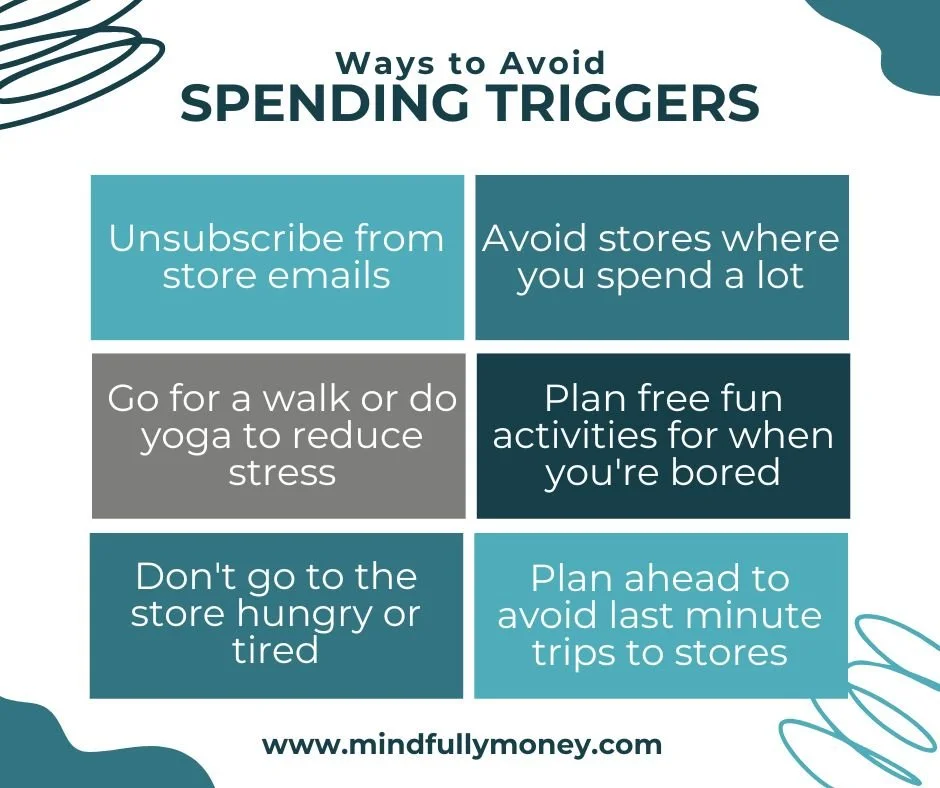
2. Add friction where you overspend most
Pick one friction rule for your biggest weak spot:
- Online shopping: remove saved cards + 24-hour rule
- Food delivery: limit to set days (e.g., weekends)
- Impulse treats: give yourself a weekly allowance and stop when it’s done
Friction turns impulse into a decision—and decisions are easier to control.
Never miss a post! Follow Financial Horse by subscribing or following us on your favorite platform:
Subscribe to our mailing list for exclusive content straight to your inbox:
3. Cut big drains first, then keep a fun budget
Don’t try to “quit everything.” That usually backfires.
- Cancel unused subscriptions and premium tiers
- Reduce the heavy hitters (dining out, delivery, rides) with a clear cap
- Keep a small fun budget so your plan feels livable
A plan you can live with is the plan that works.
The one-minute reset that prevents relapse
Once a week, check:
- last 10 transactions
- “Would I buy this again?”
- adjust one thing next week
That’s it. Overspending thrives in keeping your spending patterns opaque and unknown.
Clarity and transparency about how you’re spending your money forces you to reevaluate and get back on track.