A customer walks into a luxury store, looks at a bag, checks the price and leaves.
They could afford it. They just did not think it was worth the money.
That is a harder problem to solve than a customer waiting for their next bonus.
Bain estimates that the number of active luxury customers fell from 400 million in 2022 to around 330 million in 2025—roughly 70 million fewer buyers. They have not necessarily abandoned luxury forever, but fewer people are buying.
Yet Hermès is growing. Leading watch brands continue to attract buyers. American demand is improving.
So the question is whether customers still want what luxury brands are offering at the prices they now charge.
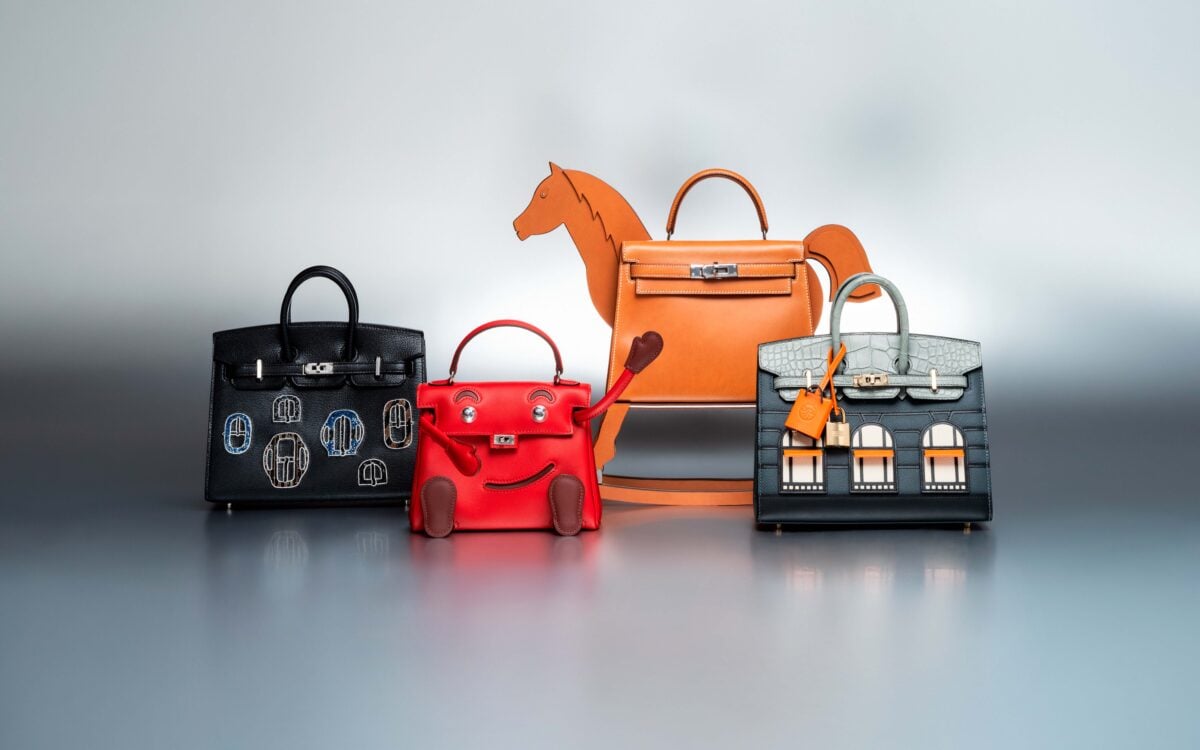
This article was written by a Financial Horse Contributor.
Can brands keep charging more for essentially the same product?
For several years, that was a major source of growth.
McKinsey and the Business of Fashion estimate that price increases accounted for more than 80% of luxury’s growth between 2019 and 2023. Selling more products contributed much less.
The attraction for brands is obvious. Charging more for a bag can increase revenue without having to make another bag.
But it works only while customers accept the price.
Bain estimates that prices of comparable iconic handbags increased 50%–70% between 2019 and 2025.
Imagine a bag that used to cost S$5,000 now costs S$8,000.
You may still like it. Your income may have increased. But the extra S$3,000 makes you think harder about the alternatives.
An established design does not need to change every year to remain desirable. Familiarity may be exactly why people want it.
Customers also pay for craftsmanship, service, heritage and the enjoyment of ownership.
The difficulty comes when the price rises but those benefits feel unchanged—or worse.
Some customers cannot afford it. Others can, but no longer want it enough.
Both groups matter.
The 2025 BCG–Altagamma study found that around 35% of aspirational luxury consumers had reduced or stopped purchases over the preceding year. This group spent less than €5,000 annually on luxury goods and services.
Their reasons included financial caution, price increases they considered unjustified and weaker value.
Someone with a tighter budget may return when their finances improve.
Someone who finds the product disappointing needs a better reason.
Wealthy buyers care about this too. In the same study, 90% of top-tier clients said product quality was non-negotiable. Having money does not remove the desire to spend it well.
That distinction helps explain why some brands are doing much better than others.
If luxury is struggling, why is Hermès still growing?
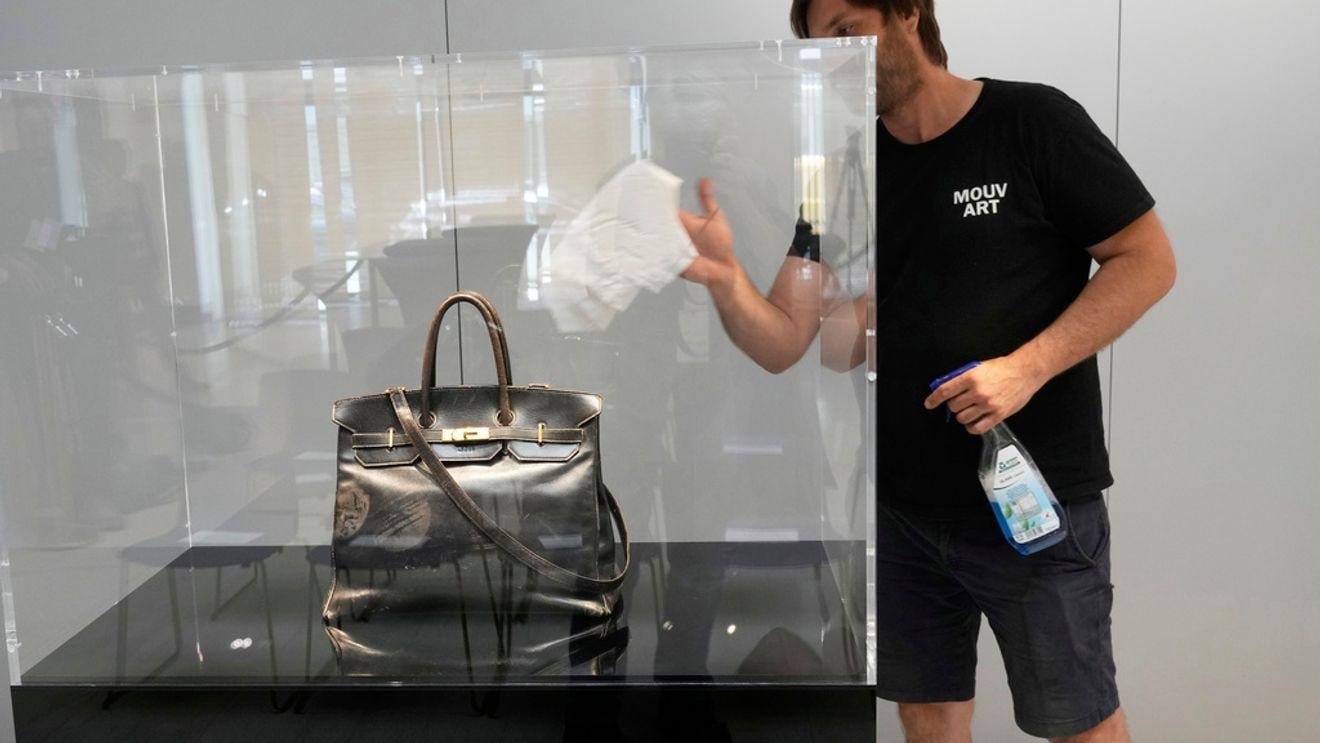
The first-half results show how different the experiences of individual businesses have been:
| Business | Sales change, first half of 2026 |
|---|---|
| Hermès | +6% |
| Hermès Leather Goods & Saddlery | +10% |
| LVMH Fashion & Leather Goods | −1% |
| LVMH Watches & Jewelry | +9% |
| Gucci | −5% |
Figures exclude currency movements; LVMH and Gucci also adjust for changes in business scope. These measure revenue, not units sold. Sources: Hermès, LVMH, Kering.
Hermès also reported a 41% recurring operating margin—roughly €41 of operating profit for every €100 of sales, before interest and tax.
Customers clearly still accept substantial premiums for some products.
Hermès gives its buyers a clearer reason to pay: recognisable designs, a reputation for craftsmanship and products they continue to desire.
The company is also investing in production, opening its 25th leather goods workshop in April 2026.
Its performance does not prove craftsmanship alone explains its success. Its customers, prices and product mix matter too.
Never miss a post! Follow Financial Horse on WhatsApp or Telegram — one tap, and every new article reaches you the moment it’s published.
Luxury watches tell a similar story.
People still want Rolex, Patek Philippe and Audemars Piguet. The evidence is more uneven across the wider industry.
Morgan Stanley and LuxeConsult estimate that Rolex, Patek Philippe, AP and Cartier increased sales in 2025. These are analyst estimates, rather than published results from the privately owned brands.
There is an important qualification: Rolex’s revenue reportedly rose about 4%, while production or deliveries to retailers fell roughly 2%. Higher revenue does not necessarily mean more watches sold.
Demand also extends beyond those names. Richemont’s specialist watch division grew 8% in April–June 2026, excluding currency movements, with Vacheron Constantin, Jaeger-LeCoultre and A. Lange & Söhne among the stronger performers.
A phone telling the time does not replace the enjoyment of a watch’s design, craftsmanship or association with a personal milestone.
Those reasons to buy remain. Brands still have to make the purchase feel worthwhile.
Where customers live—and where they shop—also changes the picture.
America is providing stronger evidence of recovery. Bain’s June 2026 update identifies the Americas as a leading source of growth, including improving spending among US upper-middle-class households.
That challenges the idea that luxury can now sell only to the extremely wealthy.
Richemont provides a useful example: its sales in the Americas rose 27% in April–June 2026, excluding currency movements, supported by local demand. European sales grew 11%, helped by local customers and tourists.
These are one company’s results, with substantial exposure to jewellery—not growth rates for the whole market.
Europe’s reliance on visitors makes the numbers harder to interpret.
A Chinese customer buying a French bag in Paris counts towards European sales. If they buy their next bag in Shanghai, European sales fall even though their interest in luxury may be unchanged.
Bain estimates that 65% of Chinese luxury spending happened within mainland China in 2025. Smaller price differences between markets reduced the incentive to shop abroad.
The rest of Asia is mixed.
Bain estimates that Asia-Pacific sales outside mainland China and Japan were roughly flat in 2025.
Singapore and Indonesia held steady, Thailand was weaker, and Japan adjusted after an exceptionally strong year for tourist shopping in 2024.
A quieter boutique in one city therefore tells us little about global demand on its own.
China also shows why buying used deserves more attention.
Bain estimates that mainland China’s market for new personal luxury goods contracted 3%–5% in 2025.
Its secondhand luxury market grew 15%–20%.
Secondhand remained less than one-tenth the size of the new-goods market, so that growth did not necessarily offset the decline. But some customers clearly still want luxury. They are changing how they buy it.
For buyers, the appeal is straightforward.
If a used item gives you most of what you wanted from a new one at a lower total cost, the new purchase becomes harder to justify. You may also prefer an older design.
Resale gives you another price reference. The brand sets the retail price; completed secondhand sales show what other buyers will actually pay.
Condition, authenticity, servicing and return policies still matter.
Demand for specific models matter. Some sought-after items also cost more used than their official retail price.
Generally though, a luxury purchase should not automatically be treated as an investment. You may eventually sell it for much less than you paid.
Even so, brands face a clear challenge: a customer can love the label without buying anything new from it.
Other customers may choose a holiday instead. Someone who already owns several bags or watches might get more enjoyment from a new experience than another possession.
That does not necessarily mean they have stopped caring about status. An unusual trip or exclusive event can serve a similar purpose.
Luxury brands have to compete for that spending too.
The latest market figures nevertheless show that luxury is still holding on strong.
Bain puts personal luxury goods sales at approximately €358 billion in 2025: down about 2% at current exchange rates, but up 1% after removing currency movements.
Its June forecast puts the 2026 market at €365 billion–€373 billion. That would represent a modest recovery, although it remains a forecast.
For investors, the useful question is which brands can bring customers back at full price while maintaining quality and service. A sector recovery will not benefit every company equally.
For buyers, the question is simpler: how much enjoyment will this purchase give you compared with what else you could do with the money?
Sometimes that justifies buying new. Sometimes used makes more sense.
And sometimes you leave the shop with your money and feel satisfied.
Luxury brands need to give that last customer a reason to reconsider.
Are you buying less luxury, buying more used—or finding better things to spend your money on?
Join the FH mailing list and new articles land straight in your inbox:
Also on WhatsApp, Telegram and Facebook.