To some people, “luxury” means overpriced branding.
To others, it means craftsmanship, rarity, and deep enjoyment.
Both groups are right—depending on what you’re buying and why.
So is “the best luxury purchases that are worth your money” an oxymoron?

This article was written by a Financial Horse Contributor.
#1: The “small luxury” believer — worth it when it upgrades daily life
Sometimes the most “worth it” luxury isn’t flashy.
It’s quiet, practical, and used constantly.
Oprah Winfrey once said that when she earned her first million dollars, her splurge wasn’t diamonds or a sports car—it was big, fluffy Ralph Lauren towels that could wrap her whole body.
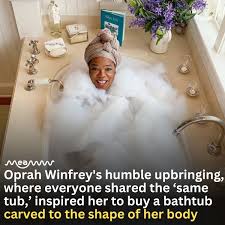
That’s the “small luxury” philosophy:
- high frequency of use
- low regret
- noticeable daily comfort
Bedding, shoes, a work bag you carry every day, tailoring that makes your existing clothes feel “right.”
#2: The frugal billionaire — luxury is “worth it” when it buys time

Even famously frugal people sometimes cave—when the purchase solves a real problem.
Warren Buffett bought a private jet, called it “The Indefensible,” then later rebranded it “The Indispensable” after he experienced the convenience.
That’s the “time investor” lens:
- luxury doesn’t have to save money
- it saves time, energy, and hassle
- and those are real costs
Worth-it luxury: anything that reliably removes friction from your life (especially if you’re truly time-poor).
#3: The “quirky utility” lens — control and preference
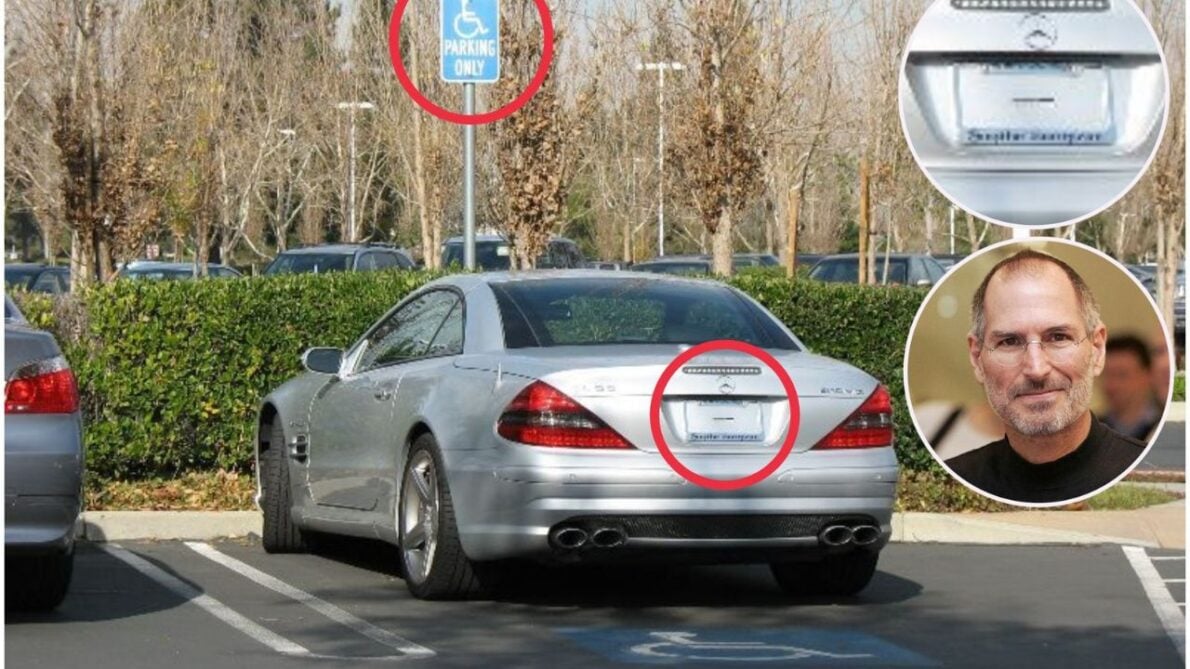
Steve Jobs’ luxury car habit became famous for a weird reason: he reportedly kept leasing a new Mercedes frequently so he could drive without a license plate, exploiting a temporary registration window.
Whether you find that clever or ridiculous, it’s a good example of a real motive people don’t admit:
- luxury purchases can be about control, aesthetics, and personal rules
If your reason is “I love it and I’ll use it,” that can be valid. If your reason is “I hope people notice,” tread carefully.
#4: The “I loved it before I was rich” perspective
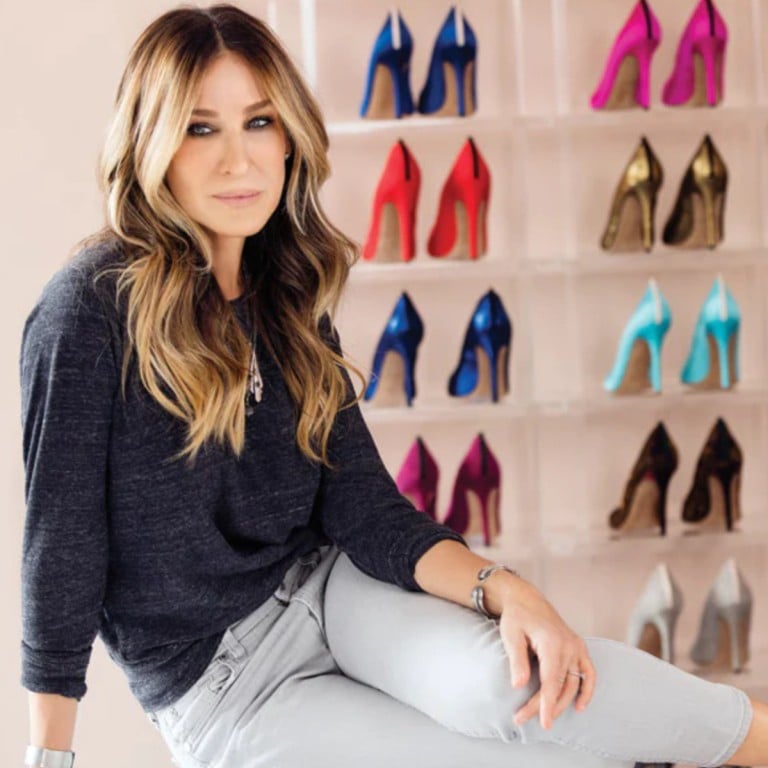
Sarah Jessica Parker described going to a shoe trunk show when she didn’t have much money and ordering six pairs, because she loved the process of choosing styles and materials.
This isn’t advice to buy things you can’t afford. It’s an example of something else:
- some people buy luxury because they truly care about craft
- not because they’re trying to become someone else
Healthy version: save up, buy one, keep it for years.
Unhealthy version: debt + impulse + “future me will deal with it.”
Never miss a post! Follow Financial Horse by subscribing or following us on your favorite platform:
Subscribe to our mailing list for exclusive content straight to your inbox:
#5: The collector view — luxury as culture, identity, and “meaning”
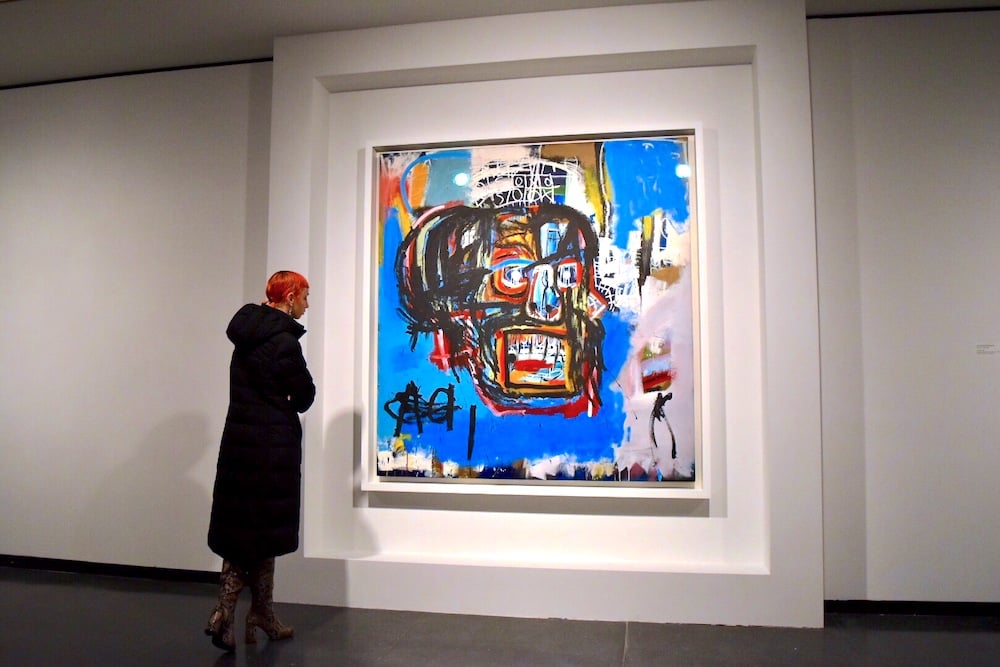
Jay-Z has been linked to buying Jean-Michel Basquiat’s Mecca at Sotheby’s for about $4.5 million—a purchase often framed as taste, cultural alignment, and collecting, not “consumption.”
Japanese entrepreneur Yusaku Maezawa bought a Basquiat Untitled for $110.5 million, saying he planned to share it via loans and ultimately display it (including mention of building a museum).
This is luxury as:
- art
- legacy
- personal mission
- and sometimes asset-like scarcity (with real risk)
Most “collector logic” is not transferable to everyday shopping. But it explains why luxury isn’t always irrational.
#6: The cautionary tale — luxury becomes a trap when it’s impulse + ego
Shaquille O’Neal has openly talked about blowing a large chunk of money quickly early on—buying a black-on-black Mercedes and other splurges—before learning how money really works.
This is the dark side of luxury:
- spending as emotion regulation
- spending as identity proof
- spending without a plan
When luxury is trying to fix insecurity, it never finishes the job.
So what luxury purchases are most likely to be “worth it”?
In real life, the “best luxury buys” usually share 4 traits:
- Used often
- Lasts a long time
- Improves comfort or reduces hassle
- Fits your actual life (not your fantasy life)
Sleep upgrades (high frequency, high impact)
- Mattress/pillow that truly fits your body
- High-quality bedding that lasts and feels great
Why it can be worth it: you use it daily, and sleep affects everything.
Shoes and anything that touches your body daily
- Well-made shoes
- A winter coat if you travel often
- A work bag that’s comfortable and durable
Worth it when it prevents pain, replacements, or daily irritation.
“Daily driver” essentials you touch constantly
- Wallet/cardholder that doesn’t fall apart
- Sunglasses that fit perfectly and last
- A great carry-on luggage if you travel frequently
This is “small luxury, big usage.”
One signature item you use for years
A bag, watch, or jewelry piece that:
- fits your lifestyle
- works with most outfits
- doesn’t feel “too precious to use”
Worth it when it becomes part of your life, not a museum piece.
Services that reduce stress (the underrated luxury)
Sometimes the best luxury isn’t a thing:
- cleaning help
- tailoring to make your existing wardrobe work better
- reliable repairs instead of replacing items
The “Worth It” filter

Ask yourself:
- Would I still want it if nobody saw it?
- Will I use it at least weekly?
- Will it still feel good one year from now?
- Can I afford it without stress or debt?
- Is this replacing something (durable) or adding clutter (regret)?
If you get mostly “yes,” it’s likely not an oxymoron. It’s just a choice.
good article that often got ignore in the daily hustle and bustle of a life journey in trying to chase things and forgotten that there are many things that can be done in a better way if we slow down slightly.