Small moves can make a big difference to your money management.
Big net worth gains can come from subtle systems that hum in the background—barely noticeable but relentlessly effective.
Below are ten under-the-radar tactics that require little daily effort yet compound into serious wealth discipline over time.

This post was written by a Financial Horse Contributor.
1. Lock In Future Raises Now
Pay-Yourself-First—with an automatic escalation
A lot of people already understand the concept of paying yourself first.
You “pay” yourself first by allocating % to your savings + investments, hence prioritizing wealth building.
A hidden step that you can take is to hold yourself accountable to this principle as well, even as your career progresses.
This means future increments, bonuses, salary raises, shares vesting etc.
All of these should also be routed straight to your investment or high-yield savings account from day one.
Lifestyle creep never even gets a chance.
2. Hide your money?
If you’re the sort of spender that gets “itchy” if you see a lump sum in your savings account.
You can try hiding it.
Out of sight, out of mind.
Keep only a minimum amount e.g. 1 month spending money in your primary savings account.
Everything else should be in different accounts that you don’t see often.
For instance, use different banks – and make it difficult to access or “view” that account.
3. Build Artificial Friction for Wants
Don’t autosave your credit card details on online shopping apps and websites.
Add a 48-hour cooling-off rule for purchases over a certain limit. That tiny delay eliminates most impulse buys.
The idea is to make things difficult, add an extra step (e.g. you have to physically search for your card, instead of having it saved in Apple Pay) so you have extra time to cool-off before unnecessary purchases.
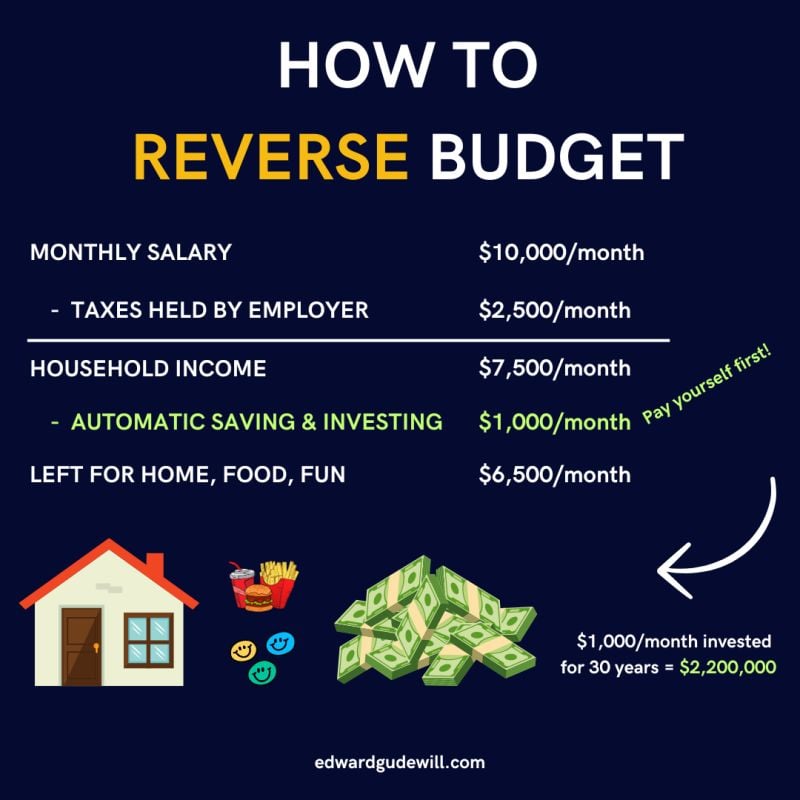
4. Try a Reverse Budget
- Pick a single non-negotiable number—say, 30% of net income into investments.
- Automate that transfer on payday.
- Spend the rest guilt-free.
No category policing, no app fatigue—yet your savings rate is guaranteed.
5. Program “If-Then” Banking Rules
| Trigger | Automatic Action | Benefit |
|---|---|---|
| Paycheck clears | Sweep 15% to brokerage | Invest before you notice |
| Credit-card bill ≥ S$3,000 | Push notification “Review spending!” | Flags lifestyle spikes |
| Balance above emergency-fund cap | Auto-invest excess into T-Bills/ETF | Keeps idle cash earning |
Modern banking apps support these “if-then” rules — set once, forget.

6. Start Saving Early
Break annual costs (insurance, school fees, holidays) into weekly transfers — e.g., S$50 every Monday.
This makes saving for things easy.
When the bill arrives, the cash is waiting and stress-free.
7. Scan your Subscriptions
Use a rarely-tapped credit card for recurring subscriptions and keep its balance at zero.
Each quarter, scan the statement.
Any surprise line item gets cancelled immediately because it sticks out like a sore thumb.
BTW – we share commentary on Singapore Investments every week, so do join our Telegram Channel (or Telegram Group), Facebook and Instagram to stay up to date!
Financial Horse also share great tips on Twitter.
Don’t forget to sign up for our free weekly newsletter too!
8. Redirect All “Found Money”
Tax refunds, cash-back, angbaos, gifts, expense reimbursements — 10 % goes to debt payoff or investments.
Call it your Windfall Rule and make it non-negotiable.
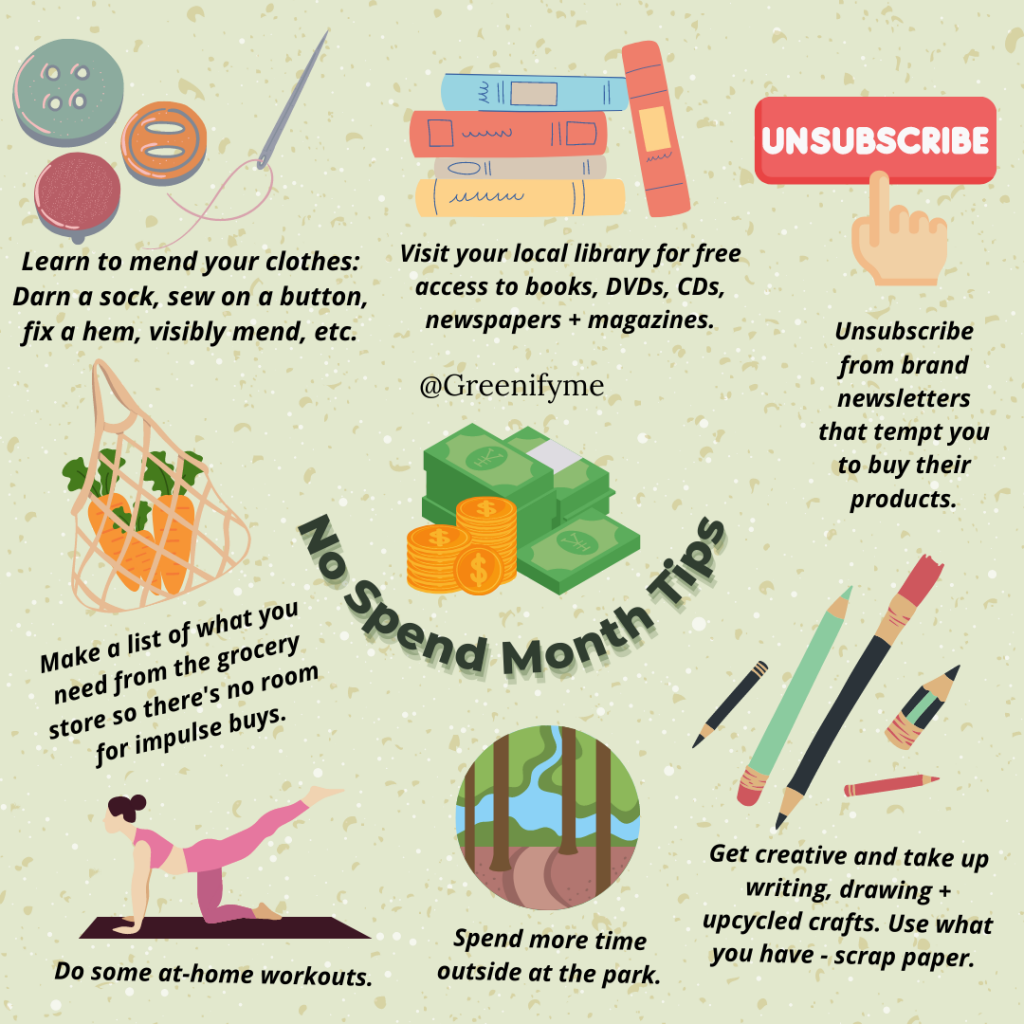
9. Schedule Two Annual No-Spend Weeks
Pick, say, the first week of March and September, and mark them now.
A no-spend week will help you detox.
You can use up all your expiring food in the fridge, declutter your closet, and generally check if your spending is mindful.
The advance notice lets you prep meals and social plans, and the periodic detox will really help you reset.
10. Track Net-Worth Delta, Not Balance
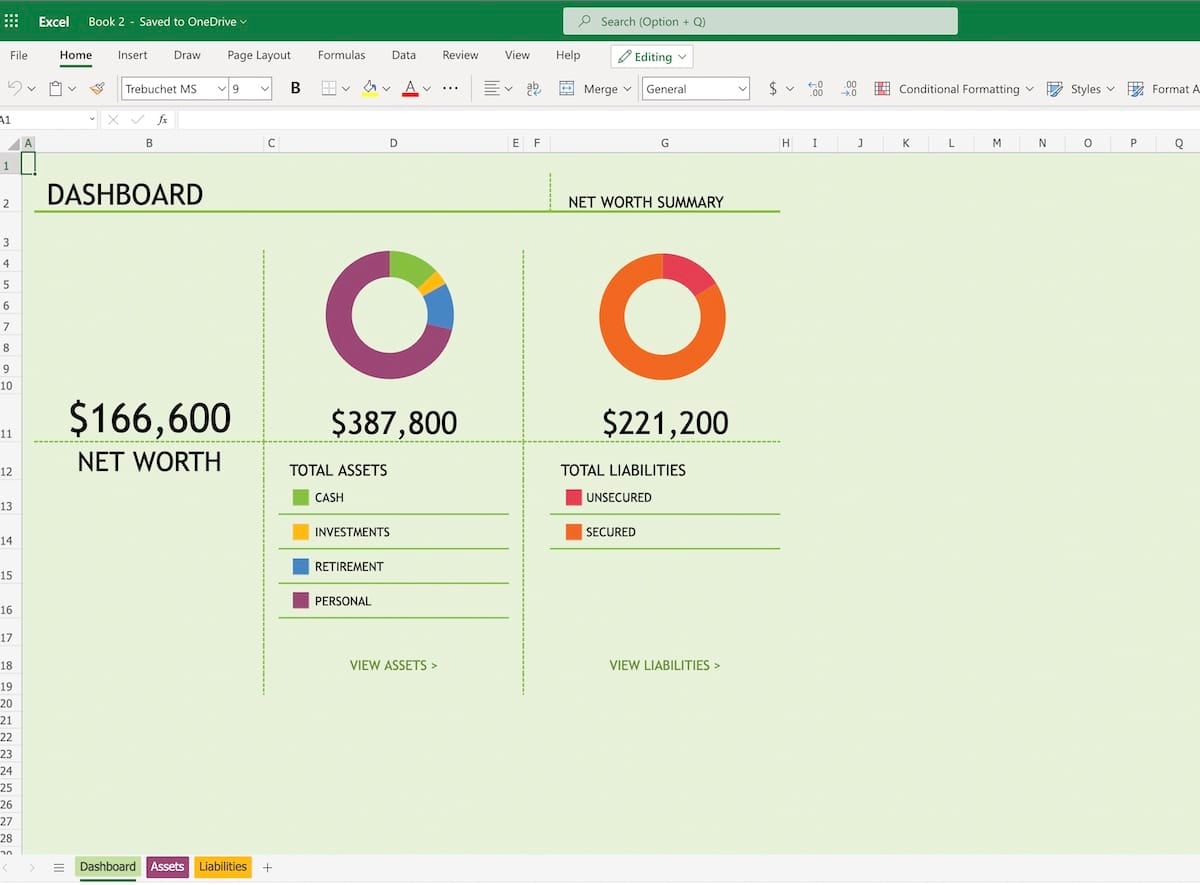
Quarterly, log total assets and liabilities in a simple spreadsheet.
Watch the change each quarter.
The trending line can be more motivating than the absolute figure and keeps your eye on progress.
Add a quarterly calendar event titled “Net-Worth Snapshot”.
Being in the know about your finances gives you power and autonomy to go forward.
Closing Thoughts
True financial mastery shouldn’t be painful or stressful.
It’s about designing an environment where the default is wealth-building.
Implementing stealth systems so you build wealth automatically and seamlessly.
You’ll manage money better by accident than most people do on purpose.
Got a favorite hidden hack of your own? Share it in the comments!